
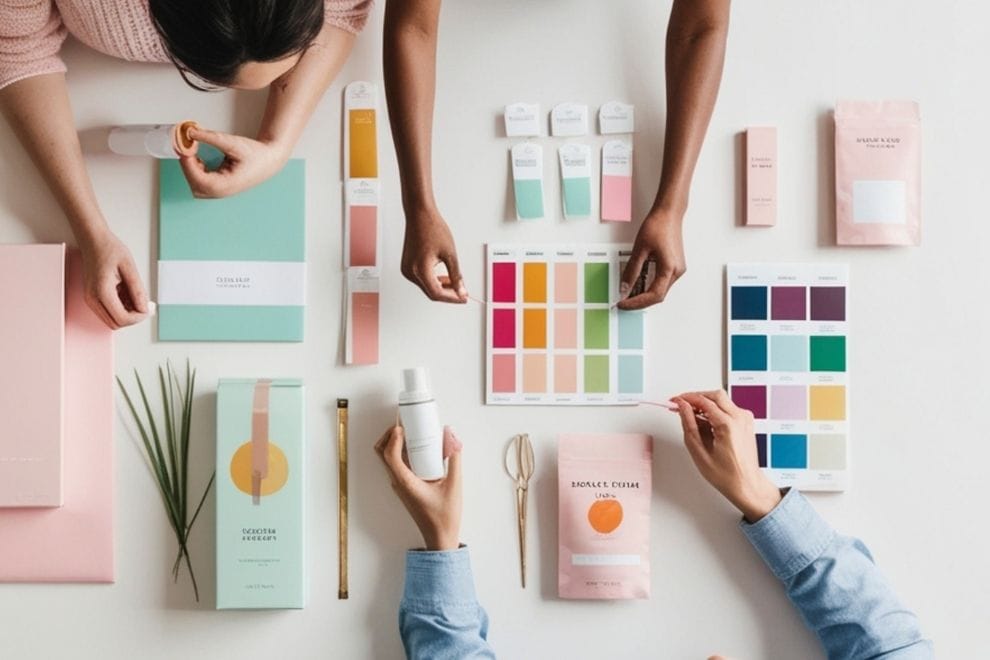
In today’s fast-paced market, standing out from the competition is crucial. Integrating innovative design elements in your marketing materials can attract attention, convey your message effectively, and leave a lasting impression. Here, we dive into some of the most groundbreaking design trends that can elevate your marketing strategy.
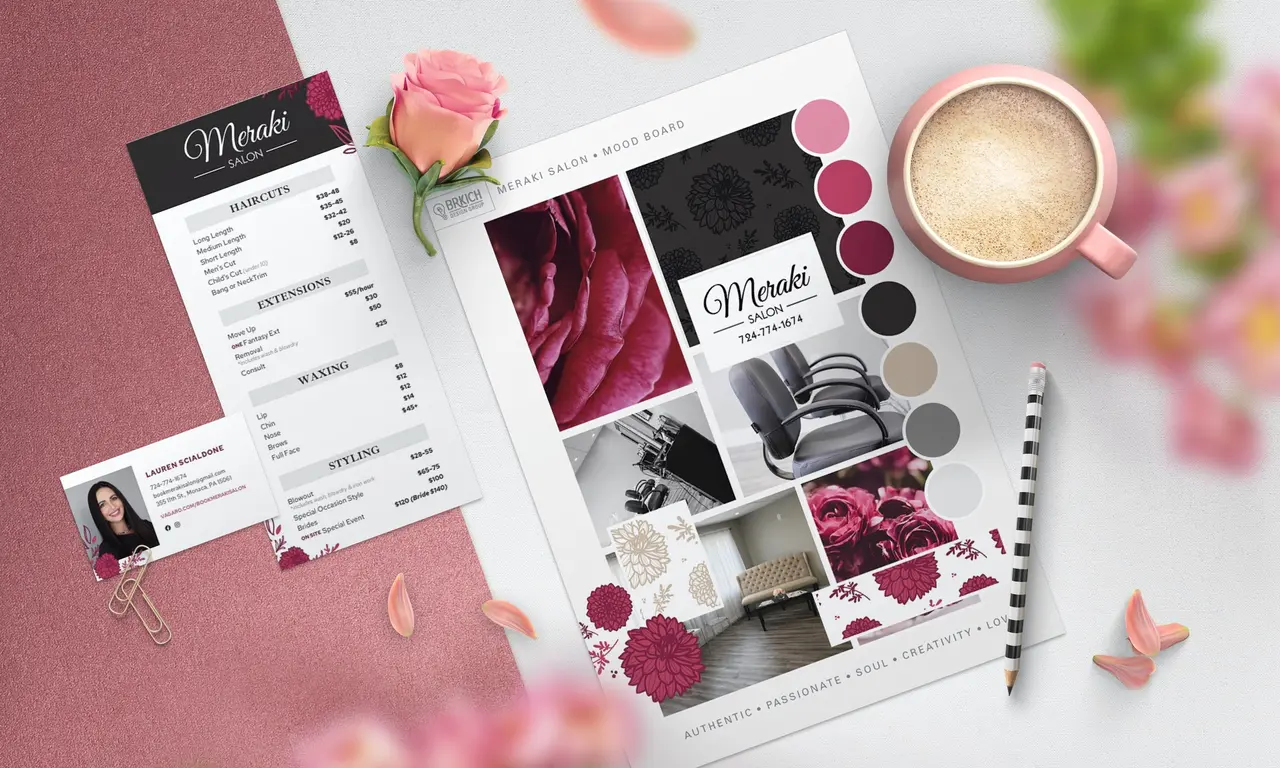
1. Embrace Minimalism for Maximum Impact
Less is more when it comes to design. A minimalist approach emphasizes clarity and simplicity, allowing your key message to shine through without distractions. By reducing clutter, you increase focus on the essential elements that convey your brand’s message effectively. Consider the use of ample white space, which not only provides visual relief but also highlights the subject matter. Minimalism can create a clean and professional look that communicates sophistication and trust.
A minimalist design also translates well across different media formats, ensuring consistency whether displayed on a screen or printed on paper. This approach often leads to faster load times and better performance on digital platforms, catering to shorter attention spans. Furthermore, when you strip down to the essentials, each design choice becomes deliberate, from the color palette to the typography, and everything must resonate with your brand identity.
2. Utilize Bold Typography to Grab Attention
Choosing the right typography can make or break your design. Bold and unique fonts can convey personality and confidence, drawing the eye to your message. Typography is not just about readability; it’s an expression of your brand’s voice. For instance, a bold san-serif typeface might suggest modernity and innovation, while a classic serif font could evoke tradition and trustworthiness. It’s more than just letters; it’s about visual storytelling.
Consider experimenting with size variation for emphasis or using contrasting fonts to establish hierarchy within the text. You might also explore custom lettering styles to create a distinctive look that stands out in a sea of generic typefaces. Integrating typography creatively into your design can transform ordinary text into a powerful visual element that amplifies your marketing message.
3. Incorporate Vibrant Color Palettes
Bright and bold colors can evoke emotions and capture interest. Colors can stimulate specific emotions and behaviors without a word being spoken. For instance, red can create a sense of urgency or excitement, while blue often conveys security and trust. Selecting a color palette that aligns with your brand’s message and personality is crucial for establishing a visual connection with your audience.
Vibrant colors can also assist in differentiating various parts of your communication, especially when used strategically to highlight calls to action or key points. Keep in mind the psychological impact of colors and experiment with unexpected combinations to create a distinct identity. Whether implementing a monochrome scheme for a sleek look or a diverse spectrum to express creativity, colors can be transformative if used thoughtfully.
4. Harness the Power of Negative Space
Negative space isn’t empty; it’s full of possibilities. Skillful use of space can highlight key elements and create a visually pleasing balance. Negative space acts as a canvas for your brand’s story to unfold, allowing main elements to stand out and breathe. It guides the viewers’ eyes through the composition and rests their vision in areas of importance.
By breaking from the clutter, negative space fosters an environment of clarity and elegance. It can effectively direct focus, as seen in logo design, where the space around initials or symbols can add depth and complexity. The subtlety of negative space in design exemplifies how less is often more, offering understated sophistication that speaks volumes without saying much at all.
5. Add Depth with Layered Elements
Layering elements can add depth and dimension, making your design more engaging and dynamic. This technique can guide the viewer’s eye through your material, offering an immersive experience that captivates the audience. By overlaying images, text, and graphics, layers introduce complexity and sophistication into your design, enhancing visual appeal and intrigue.
Consider the use of transparency and textures to enrich the visual hierarchy and storytelling. Layers give a sense of realism and context that brings static pages to life, providing a tactile feel that entices engagement and exploration. Strategically implemented, layers can also highlight intersections and interactions within your brand narrative, strengthening the overall message conveyed.
6. Opt for Custom Illustrations
Custom illustrations can personalize your marketing materials, setting your brand apart with unique visual storytelling. Unlike stock photos, illustrations can be tailored to reflect your brand’s specific identity, adding a layer of authenticity and creativity. They allow for flexibility in conveying complex ideas through simplified, engaging visuals that resonate with your audience.
Incorporating custom artistic flair not only differentiates your materials from competitors but also strengthens connections with your audience by presenting visually appealing content that is instantly recognizable as yours. The charm of bespoke illustrations lies in their ability to evoke emotion and imagination, adding personality and warmth to your communication that photos often can’t replicate.


