

In today’s digital world, having a professional website is no longer a luxury but a necessity for businesses aiming to establish credibility. A well-designed, functional website is a powerful tool that communicates reliability and trustworthiness to your potential customers. Let’s explore the various ways a professional website can elevate your business’s credibility.
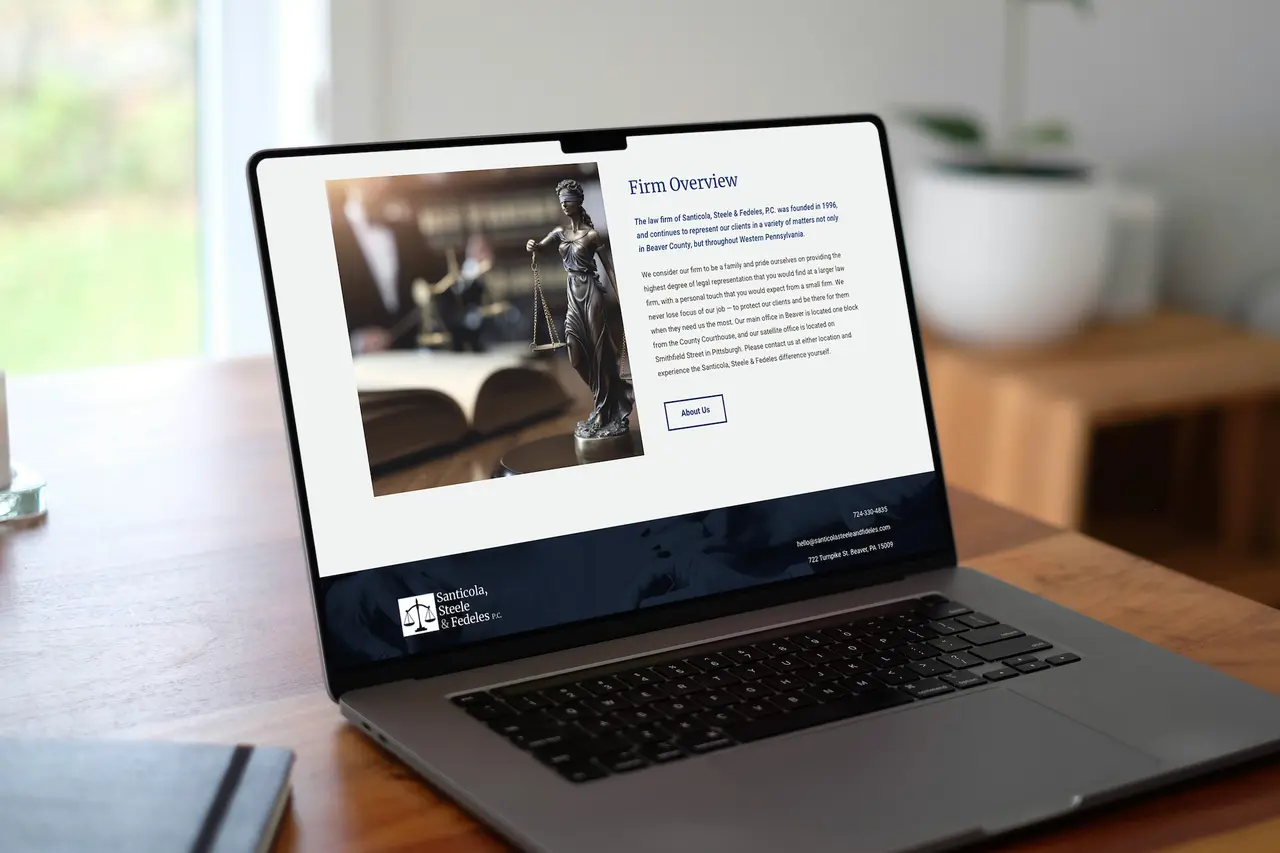
1. Creating a Lasting First Impression
First impressions matter, especially online. A professionally designed website captures attention immediately, setting the stage for a positive user experience. A site that looks modern and visually appealing signals that your business is up-to-date and attentive to detail. This aligns with the importance of website credibility, where the design directly influences users’ trust and willingness to engage further. Elements like easy navigation, balanced design aesthetics, and streamlined functionality contribute to a memorable first impression that can convert casual visitors into engaged customers.
Your website serves as a digital storefront for your business, and with millions of sites out there, it needs to be distinguished at first glance. Imagine your website as your home on the internet. When visitors step inside, the first thing they notice speaks volumes about your business. Whether it’s through high-quality images, intuitive layouts, or captivating headlines, these features contribute to making your visitors feel welcome and interested in exploring further.
2. Showcasing Your Expertise
A professional website acts as a platform to highlight your expertise. By featuring detailed product descriptions, portfolios, case studies, and testimonials, you can show prospective customers why they should choose your services over competitors. Highlighting achievements and expertise in a compelling manner is vital. For instance, many successful businesses use their websites to present case studies or success stories that speak directly to potential clients’ needs. This approach not only informs visitors about your capabilities but also builds trust and positions your brand as an authority in your industry.
Moreover, sharing insightful blog posts and design secrets further anchors your position as an expert. This method of showcasing your knowledge allows visitors to see the depth of understanding you have in your field, enhancing the credibility of your brand. Guest blogs and collaborative efforts with industry experts can also amplify your reach and demonstrate your authority.
3. Enhancing Accessibility and Availability
A well-structured website ensures that visitors can easily find and access the information they need. With contact forms, chat options, and responsive design, you demonstrate your commitment to being available and attentive to customer needs. For example, the integration of live chat features can significantly improve the user experience by providing real-time support, which not only enhances accessibility but also shows that you value customer interaction.
Incorporating a mobile-responsive design is crucial given the growing number of users accessing the web via mobile devices. A site that adapts seamlessly to different screen sizes showcases your foresight and technological savvy. According to mobile responsiveness strategies, ensuring your site is accessible on all devices can boost user satisfaction and extend your audience reach considerably.
4. Building Confidence through Security
Security features like SSL certificates and secure payment gateways are crucial for building trust with your users. A professional website assures clients that their personal data is safe, which enhances their confidence in your brand. As cyber threats have become more prevalent, showcasing your commitment to data protection can set you apart from competitors. Additionally, highlighting your adherence to privacy regulations and data protection laws is an essential strategy for reinforcing customer trust.
5. Strengthening Brand Identity
Your website is a canvas for your brand identity. Consistent use of logos, colors, and messaging reinforces your brand’s values and mission, helping visitors quickly understand who you are and what you stand for. When your website speaks the same brand language, it creates a unified and coherent message that resonates with visitors, boosting your brand recognition and recall.
Incorporating interactive brand elements such as videos or animations that align with your identity can also fuel engagement. Consistency in brand presentation is key, as outlined in numerous web design strategies, ensuring a memorable and professional look that customers associate with quality and reliability.
6. Improving Search Engine Visibility
Professional websites are designed with search engine optimization (SEO) in mind, making it easier for potential customers to find your business online. Higher visibility can lead to increased traffic and the credibility that comes with being a recognized name in your industry. Crafting site content using targeted keywords and meta tags can significantly boost your visibility, driving more organic traffic to your site.
7. Facilitating Customer Engagement
Engagement features such as blogs, newsletters, and interactive elements invite visitors to participate and connect with your brand. This level of interaction not only informs but also builds a community, fostering trust and loyalty. For instance, utilizing interactive quizzes or forums can encourage ongoing conversations around your brand, creating a sense of belonging among your customers.
Implementing these features according to best practices, like those outlined in the guide to customer engagement, ensures they contribute effectively to building and nurturing long-term customer relationships. Such engagements help establish your brand as a trusted partner in your customers’ journey.


